

PCR Labels & Tags
PCR labels and tags offer the capability of simplifying workflows involving PCR reactions, including:

Clinical and diagnostic PCR
qPCR/RT-PCR
Molecular biology research
Forensics
mRNA therapeutic and vaccine development.
LabTAG provides a wide selection of labels, tags, and label dots for use with 0.2 mL PCR tubes, high-profile 8-well PCR strips, as well as skirted, semi-skirted, and non-skirted PCR plates, to allow single label identification through every stage of a PCR workflow
PCR Labels & Tags
Learn More about LabTAG PCR Labels and Tags and Request a Free Sample
Polymerase chain reaction (PCR) is a highly sensitive laboratory technique used to amplify specific DNA sequences. Across academic and pharma labs, PCR workflows follow a familiar path, that includes multiple critical steps:
Labeling
Sample Prep.
Thermal Cycling
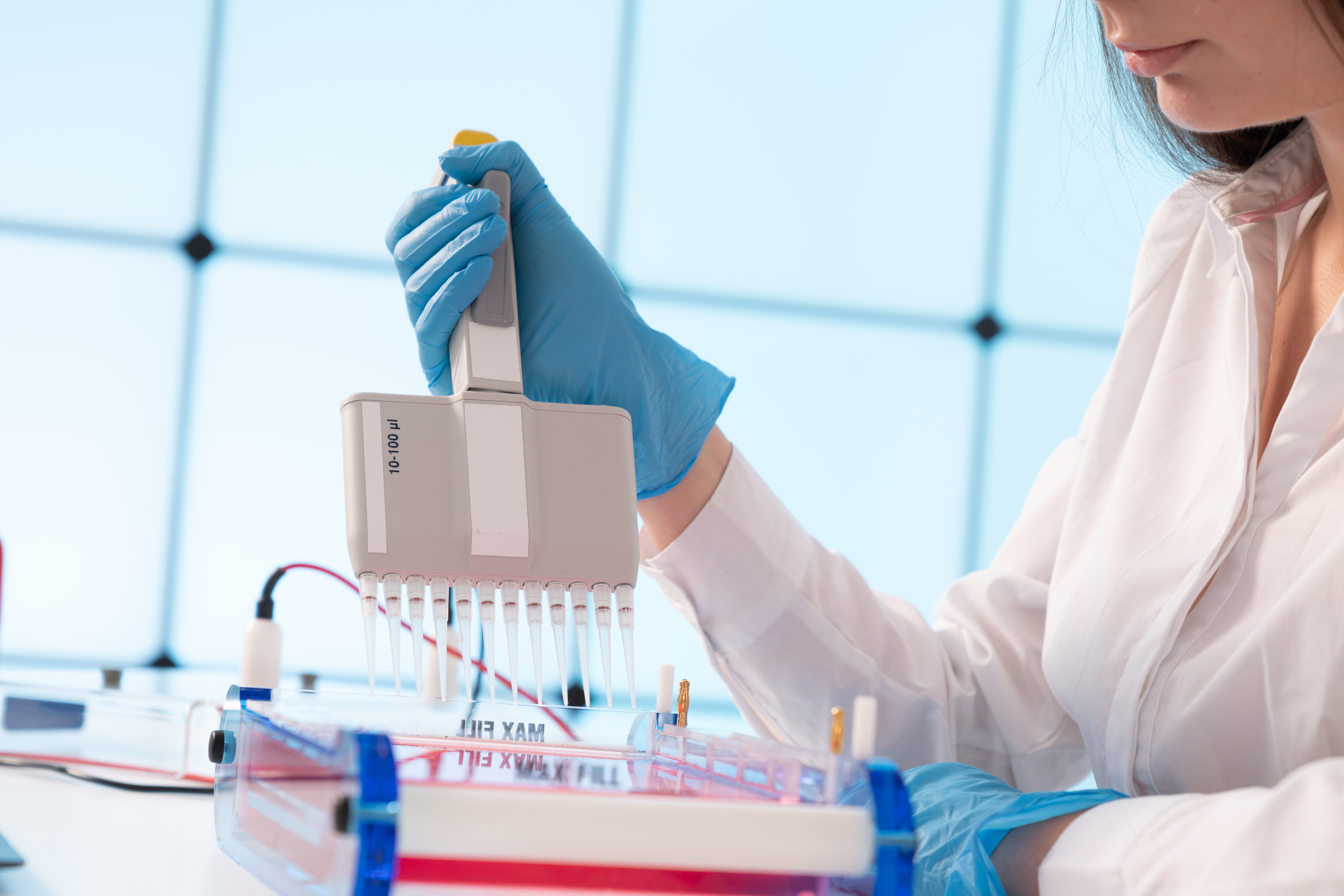
Analysis
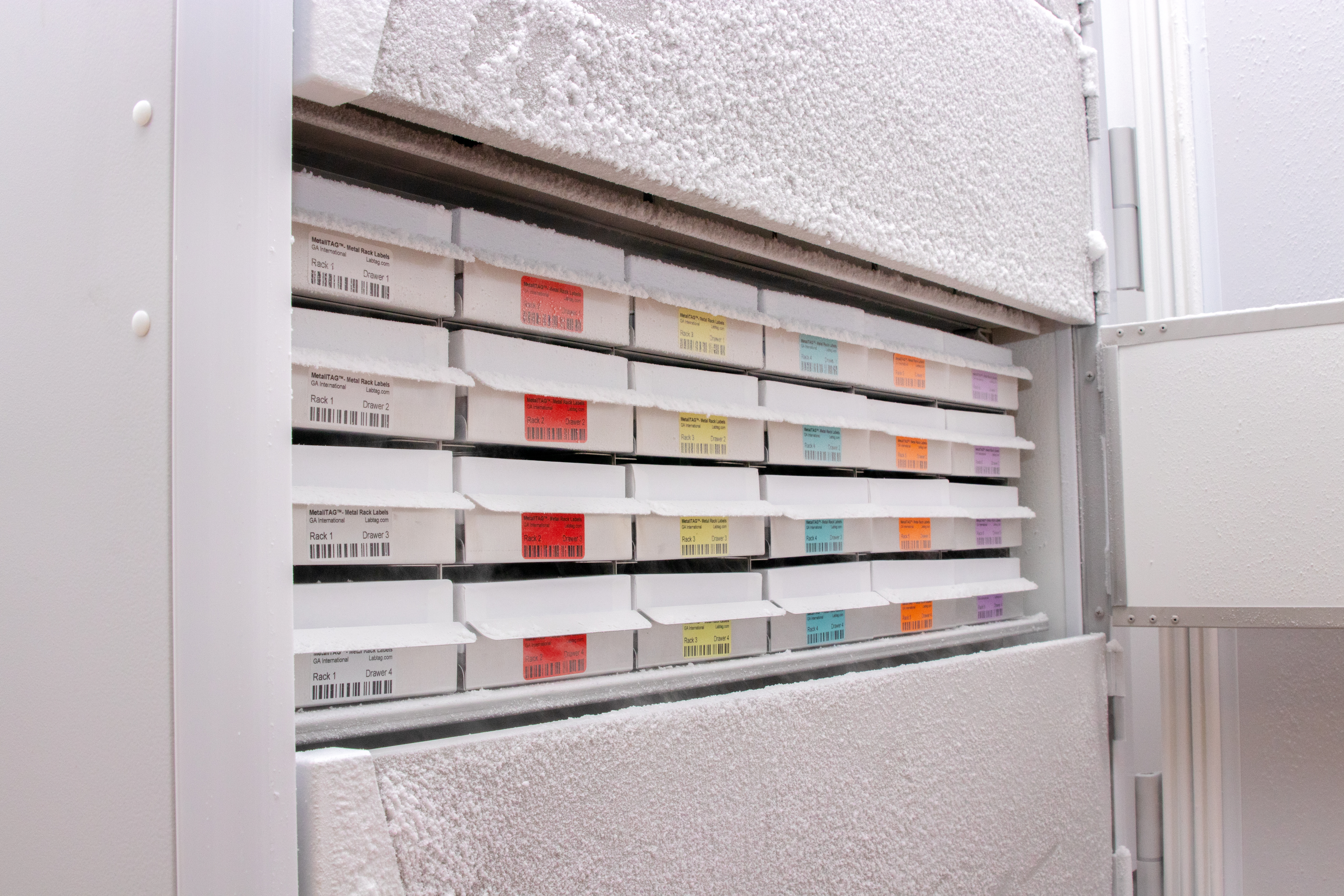
Storage

The Challenge

The LabTAG Solution
One commonly overlooked factor when PCR workflows fail is labeling. Tubes and plates move between instruments, benches, and freezers. Samples go through temperature extremes and freeze–thaw cycles. Workflows scale from a few samples to hundreds overnight. Leaving sample labeling to an afterthought can lead to:
In order to make the most efficient process possible, it is necessary to not only optimize the PCR, itself, but every step of the workflow, including labeling solutions. LabTAG PCR solutions enable reliable sample identification from setup, through thermal cycling, to storage, all from the same label or tag. Including:

Re-labeling between steps

Consistent identification from setup through long-term storage (no re-labeling required)
Misidentified or unidentifiable samples due to lost, smudged or illegible labels
Durability through thermal cycling and -80°C or liquid nitrogen (-196°C) storage
Insufficient sample identification, and compromised data integrity
Label color coding and barcode addition for increased sample ID capability
Sourcing separate labels from different vendors depending PCR vessel preference
Labels and tags that work across tubes, strips, and plates
Excessive label purchase and storage to meet throughput needs
Compatibility with cryogenic markers for manual labeling, as well as label printers
Learn More about LabTAG PCR Labels and Tags and Request a Free Sample
Polymerase chain reaction (PCR) is a highly sensitive laboratory technique used to amplify specific DNA sequences. Across academic and pharma labs, PCR workflows follow a familiar path, that includes multiple critical steps:
Labeling
Sample Prep.
Thermal Cycling
Analysis
Storage
The Challenge
One commonly overlooked factor when PCR workflows fail is labeling. Tubes and plates move between instruments, benches, and freezers. Samples go through temperature extremes and freeze–thaw cycles. Workflows scale from a few samples to hundreds overnight. Leaving sample labeling to an afterthought can lead to:
Re-labeling between steps
Misidentified or unidentifiable samples due to lost, smudged or illegible labels
Insufficient sample identification, and compromised data integrity
Sourcing separate labels from different vendors depending PCR vessel preference
Excessive label purchase and storage to meet throughput needs
The LabTAG Solution
In order to make the most efficient process possible, it is necessary to not only optimize the PCR, itself, but every step of the workflow, including labeling solutions. LabTAG PCR solutions enable reliable sample identification from setup, through thermal cycling, to storage, all from the same label or tag. Including:
Consistent identification from setup through long-term storage (no re-labeling required)
Durability through thermal cycling and -80°C or liquid nitrogen (-196°C) storage
Label color coding and barcode addition for increased sample ID capability
Labels and tags that work across tubes, strips, and plates
Compatibility with cryogenic markers for manual labeling, as well as label printers
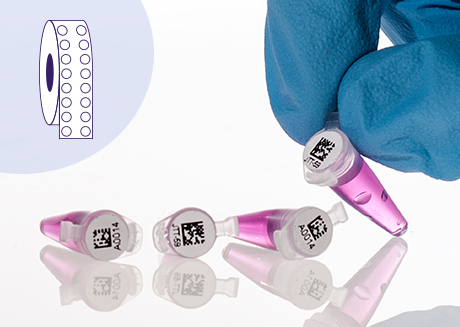

0.2 mL PCR Tube Labels
Cryogenic PCR Tube and Cap Labels
Dot and rectangular labels designed to be applied to single PCR tubes. Easy application, and a strong permanent thermal/cryo adhesive ensure proper sample identification during multi-user PCR runs. Compatible with laser and thermal-transfer printers, as well as cryogenic markers for hand labeling. Multiple color choices, and barcode addition capability further enhance easy, accurate sample tracking.
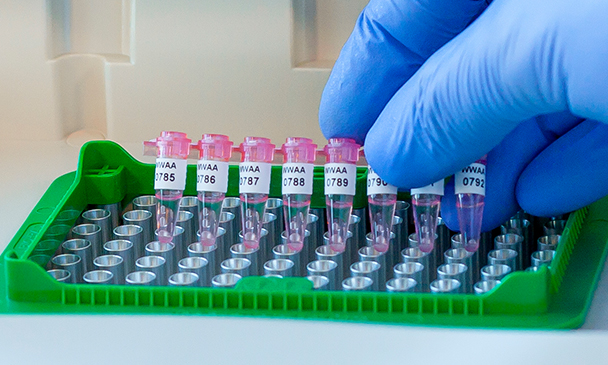
PCR-TAG™
Identify an Entire 8-Tube PCR Strip with a Single Label
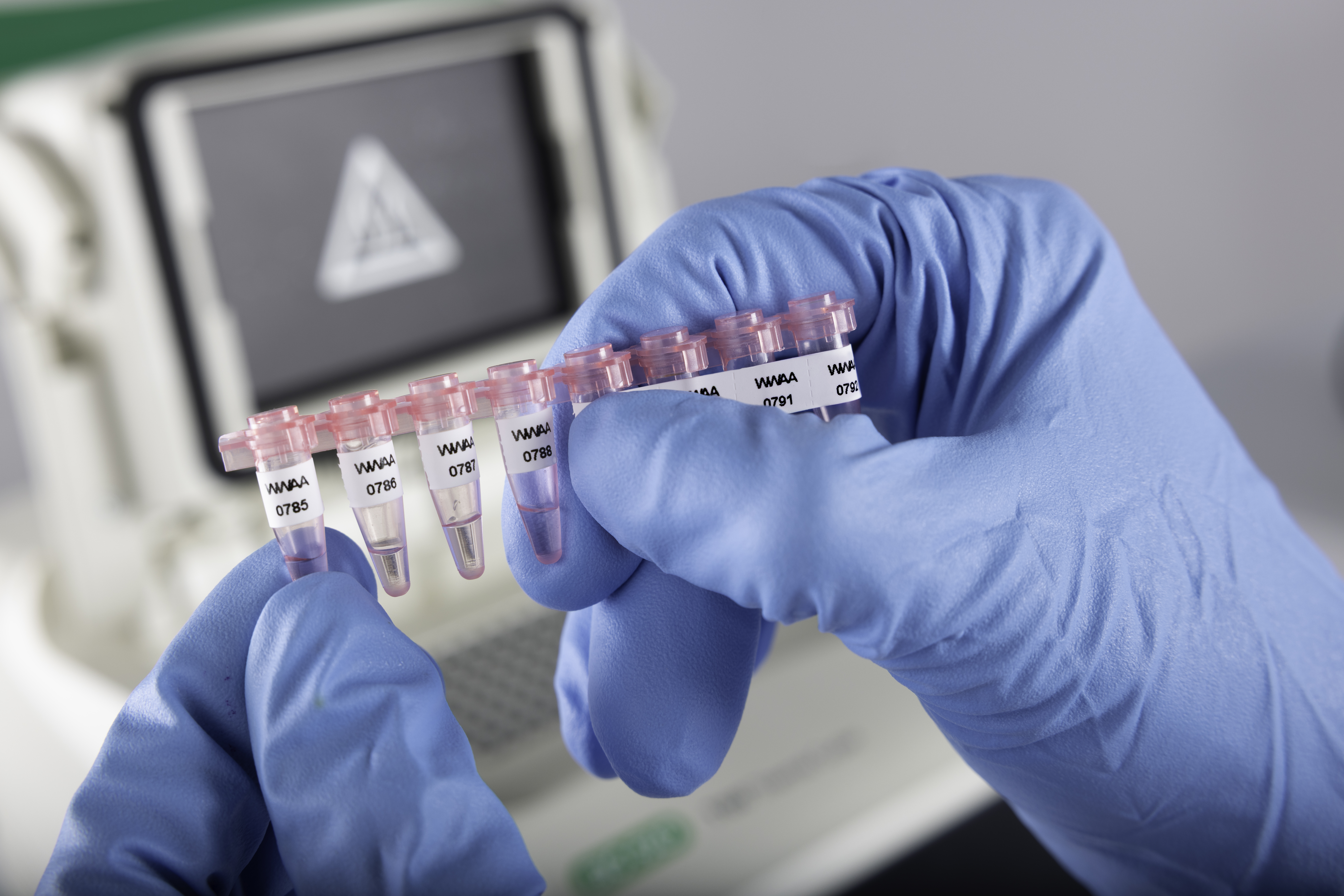
Designed for use with high-profile 8-well PCR tube strips. Apply a single label to an entire strip, easily break the perforations, and finish applying as a single label to each tube. Eliminates tedious removal from backing and application of single labels. Compatible with thermal-transfer printers, as well as cryogenic markers for hand labeling. Multiple color choices for easy, accurate sample tracking.

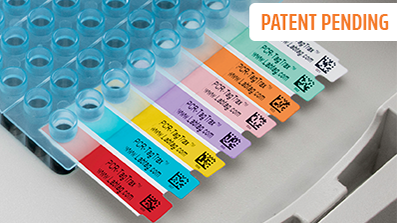
PCR-Tag Trax®
Non-adhesive Tracking of PCR Samples
Adhesive-free tags for temporary or long-term sample tracking through every stage of a PCR workflow, from setup, through thermal cycling, to cold storage. Easy application to 8-tube strips, or non-skirted and semi-skirted 96-well PCR plates. Label perforation allows linked tracking on tubes, and in laboratory notebooks or batch records. Color coding and barcode addition for increased sample tracking ability.

IDenti-PCR™
Sample Tracking for Breakable 96-Well PCR Plates
Designed for adhesion to the top lip area of the long side of a 96-well PCR plate for independent column identification. Label perforations also allow “breakable” PCR plates to be separated into 8-well strips, while still leaving individual labels intact. Solution provides an economical alternative to custom barcoded (embossed) microplates.

PlateTAG™
Versatile Sample Tracking for 96-Well and 384-Well PCR Plates
Easy adhesion to the long or short side of 96- and 384-well skirted and semi-skirted PCR plates. Designed for thermal cycler and long-term deep freeze storage (-80ºC) use. Remains intact through an entire PCR workflow, while still removable without leaving adhesive residue. Barcoded and RFID labels available to dramatically increase sample traceability.


